

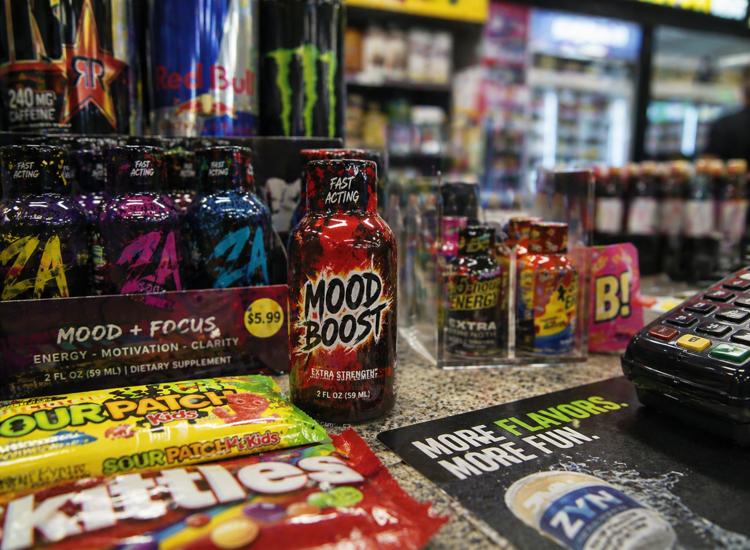
Tianeptine is a pharmaceutical compound developed in France and used in several countries as a prescription antidepressant under brand names such as Stablon and Coaxil. It is not approved by the U.S. Food and Drug Administration (FDA) for any medical use, yet products containing tianeptine continue to appear in retail settings across the United States, including gas stations, convenience stores, and online marketplaces. It is referred to as “gas station heroin” by Poison Control.
The substance sits in a regulatory gray area: it is not federally scheduled as a controlled substance, but it is also not legally approved for sale as a medication or dietary supplement. Federal agencies have issued repeated warnings about its safety and legality in consumer products.
How It Is Marketed vs. What It Does
In countries where it is prescribed, tianeptine is used to treat depression. Its original classification focused on its effects on brain chemistry related to mood regulation.
However, research over the past decade has clarified that tianeptine also acts on the brain’s mu-opioid receptors—the same receptors targeted by drugs such as morphine and oxycodone.
At prescribed doses, those effects are considered limited and medically managed. But in real-world use—especially in unregulated products—higher doses can produce:
- Short-term euphoria
- Sedation
- Rapid tolerance buildup
- Physical dependence
These effects have led to comparisons with short-acting opioids. Unlike traditional antidepressants, tianeptine’s duration is relatively brief, which can lead users to take repeated doses throughout the day.
🍁 Make a One-Time Contribution — Stand Up for Accountability in Vermont 🍁
Reports of Dependence and Withdrawal
Health agencies in the United States have documented a growing number of adverse events linked to tianeptine exposure. These include:
- Severe withdrawal symptoms after repeated use
- Hospitalizations related to overdose
- Cases involving co-use with other substances
Withdrawal symptoms reported in medical literature and poison control data include agitation, nausea, muscle pain, insomnia, and symptoms consistent with opioid withdrawal.
Because retail products are not standardized, the amount of tianeptine per dose can vary widely. This lack of consistency increases the risk of both dependence and accidental overdose.
The U.S. Regulatory Position
The FDA has stated clearly that tianeptine is not approved for use in any dietary supplement or drug product in the United States. Products containing it are considered unapproved drugs, and the agency has issued multiple public warnings advising consumers to avoid them.
At the same time, the Drug Enforcement Administration (DEA) has indicated that tianeptine is not currently scheduled under the Controlled Substances Act.
That combination—unscheduled but unapproved—creates a gap in enforcement:
- It is not treated like a controlled narcotic at the federal level
- But it also does not meet legal standards for over-the-counter sale
As a result, enforcement often occurs through warning letters, product seizures, or state-level action rather than uniform federal prohibition.
State-Level Responses
In the absence of federal scheduling, several states have moved to restrict or ban tianeptine independently. These actions typically classify the substance as a controlled drug under state law or prohibit its sale in consumer products. Vermont has not scheduled tianeptine as a controlled substance.
Other states have not yet taken formal action, leading to uneven availability across the country.
This patchwork approach means that products containing tianeptine may be available in one state while prohibited in another, complicating enforcement and consumer awareness.
International Context
Tianeptine remains a legal, prescription-only medication in some countries. However, concerns over misuse have led others to impose tighter controls.
In certain regions, including parts of Eastern Europe, authorities have treated tianeptine more strictly due to patterns of abuse and dependence. These decisions reflect growing recognition of the drug’s opioid-like properties at higher doses.
The international landscape is therefore mixed:
- Some countries maintain regulated medical use
- Others have restricted or effectively removed it due to safety concerns
Retail Presence in the United States
In the U.S., tianeptine is rarely sold under recognized pharmaceutical brand names. Instead, it appears in products marketed with names such as:
- ZaZa
- Tianna Red
- Pegasus
These products are often labeled as “mood enhancers,” “nootropics,” or “dietary supplements,” despite containing a compound that does not meet FDA standards for those categories.
Because they are not subject to pharmaceutical manufacturing controls, their contents and dosage levels are not consistently verified.
Why It Has Drawn Attention
The combination of factors surrounding tianeptine has made it a growing focus for regulators and public health officials:
- Opioid-like effects at higher doses
- Increasing reports of dependence and withdrawal
- Availability in retail environments without prescription oversight
- Lack of federal scheduling despite safety warnings
This has led to comparisons with other substances that initially entered the market through regulatory gaps before being more tightly controlled.
Bottom Line
Tianeptine is a pharmaceutical compound with legitimate medical use in some parts of the world, but it is not approved for use in the United States. Despite that, it continues to appear in consumer products sold through retail channels.
Its opioid-like effects, particularly at higher doses, have raised concerns among health authorities, leading to federal warnings and a growing number of state-level restrictions.
The result is a fragmented system in which a drug flagged for safety risks can still be found in certain U.S. markets, depending on location and enforcement.
As regulators continue to evaluate its status, tianeptine remains an example of how substances can move between medical use, misuse, and regulatory uncertainty across different jurisdictions.
Dave Soulia | FYIVT
You can find FYIVT on YouTube | X(Twitter) | Facebook | Instagram
#fyivt #tianeptine #drugpolicy #vermont
Support Us for as Little as $5 – Get In The Fight!!
Make a Big Impact with $25/month—Become a Premium Supporter!
Join the Top Tier of Supporters with $50/month—Become a SUPER Supporter!


 Subscribe to RSS




Leave a Reply